
Common Plastic Surgery Procedures for Women Undergoing Menopause

Perimenopause is a natural transition that marks the years leading up to menopause, when the ovaries gradually produce less estrogen and progesterone. This stage can begin as early as the mid-30s or as late as the mid-50s, and it often lasts several years. While it’s a normal part of aging, perimenopause can bring a wide range of physical and emotional changes, like irregular periods and hot flashes, to mood swings and sleep disturbances. Understanding what perimenopause means and how to navigate it can help women feel empowered during this important stage of life.

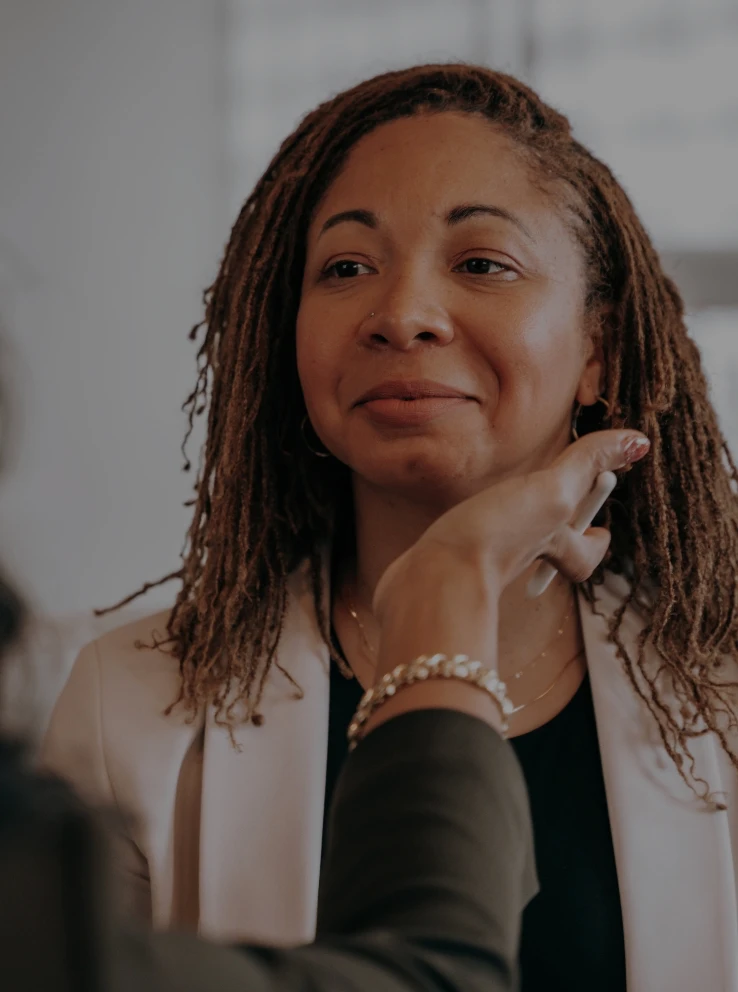
Woman looking forward with her hand up to her chin

Hormonal Shifts and What They Mean

During perimenopause, estrogen levels fluctuate unpredictably, sometimes spiking and sometimes dropping. This hormonal rollercoaster can cause irregular menstrual cycles, heavier or lighter bleeding, and skipped periods. These changes also affect ovulation, meaning fertility decline, but pregnancy is still possible until menopause officially begins. Beyond reproductive health, declining estrogen impacts bone density, cholesterol levels, and even mood. Recognizing these shifts helps women understand why symptoms vary so widely and why medical guidance can be valuable during this transition.

Common Symptoms You May Notice

Perimenopause symptoms can range from mild to disruptive, depending on how your body responds to hormonal changes. Hot flashes, night sweats, and sleep disturbances are among the most common, while mood swings, irritability, and anxiety may also appear. Vaginal dryness, decreased libido, and urinary changes are linked to declining estrogen. Women in Maryland and Washington, D.C, often report that these symptoms affect daily life, making it important to seek care that addresses both physical and emotional well-being.

Managing Perimenopause

While perimenopause cannot be stopped, symptoms can be managed with lifestyle changes and medical support. Eating a balanced diet, exercising regularly, and reducing triggers like caffeine or alcohol can ease discomfort. Medical options include hormone therapy, non-hormonal medications, and topical treatments for vaginal dryness. Because every woman’s experience is unique, patients in Washington, D.C., and Maryland benefit from personalized care plans that balance relief with safety.

Treatments to Help Women Undergoing Menopause

Breast Lift (Mastopexy)


Hormonal changes during menopause often lead to loss of skin elasticity and breast volume, which can cause breasts to sag or lose their youthful shape. A breast lift restores a firmer, more elevated contour by repositioning the breast tissue and nipple while preserving a natural look. Many women find that this procedure helps their bodies better reflect how strong and vibrant they still feel during this transition.

Facelift (Rhytidectomy)


As estrogen levels decline, skin can become thinner, drier, and less resilient, making facial sagging and deepening wrinkles more noticeable. A facelift gently repositions underlying tissues and smooths the skin to restore a refreshed, rested appearance. For women navigating menopause, facial rejuvenation can be a powerful way to align their outward appearance with their inner confidence.

Labiaplasty

Menopause can bring intimate changes, including tissue laxity, dryness, and discomfort that many women hesitate to talk about. Labiaplasty can improve both comfort and appearance by reshaping excess tissue that may cause irritation or self-consciousness. This procedure is as much about restoring comfort and confidence as it is about aesthetics, helping women feel at ease in their bodies again.

Liposuction

Stubborn fat deposits often appear during menopause, even in women who maintain healthy diets and exercise routines. Hormonal shifts can change how and where the body stores fat, particularly in the abdomen, hips, and thighs. Liposuction helps contour these resistant areas, creating smoother proportions and helping women feel more like themselves again.

Tummy Tuck (Abdominoplasty)

Weight fluctuations, hormonal changes, and reduced collagen production can lead to abdominal laxity and weakened muscles during menopause. A tummy tuck tightens the abdominal wall and removes excess skin to create a flatter, firmer midsection. Many women choose this procedure as part of a comprehensive approach to reclaiming strength, posture, and confidence.

Vaginoplasty

Declining estrogen can affect vaginal tissue strength and elasticity, sometimes leading to discomfort or functional concerns. Vaginoplasty restores tone and support to the vaginal canal, addressing both physical changes and quality-of-life issues. For women experiencing menopause, this procedure can offer meaningful improvements in comfort, confidence, and overall well-being.

PRP Hair

Hair thinning is a common (and incredibly frustrating) effect of hormonal changes during perimenopause. PRP (Platelet-Rich Plasma) hair restoration uses your body’s own growth factors to stimulate hair follicles and support healthier hair growth. This natural, minimally invasive treatment is ideal for women seeking to address thinning hair without surgery.

Other Non-Surgical Treatments

Not every concern requires surgery. Many women benefit from nonsurgical options such as wrinkle relaxers, dermal fillers, skin-tightening treatments, and non-surgical vaginal rejuvenation. These treatments can address volume loss, skin texture, fine lines, and overall skin vitality, making them an excellent choice for women looking for subtle yet impactful rejuvenation during perimenopause.

How Long Does Perimenopause Last?

Perimenopause typically lasts anywhere from 4 to 8 years, though the exact duration varies for each woman. During this time, hormone levels fluctuate until menopause officially begins, defined as 12 consecutive months without a period. Women in Washington, D.C., and Maryland often seek medical guidance to track these changes and manage symptoms effectively.

Can I Still Get Pregnant During Perimenopause?

Yes, pregnancy is still possible during perimenopause because ovulation can occur even with irregular cycles. Fertility declines significantly, but contraception may still be necessary if pregnancy is not desired. Consulting with a provider helps you understand your family planning options during this stage.

What Can I Do To Manage Hot Flashes and Night Sweats?

Hot flashes and night sweats are among the most common symptoms of perimenopause. Lifestyle adjustments, such as avoiding spicy foods, caffeine, and alcohol, can help, while dressing in layers and keeping your bedroom cool can reduce discomfort. Medical options, including hormone therapy or non-hormonal medications, are available for women in Washington, D.C., and Maryland who experience severe or disruptive symptoms.

Why Choose Dr. Landford?

Dr. Wilmina Landford is a Johns Hopkins-trained Plastic and Reconstructive Surgeon who brings both technical expertise and compassionate care to her patients. While her surgical specialties include aesthetic procedures of the face, breast, and body, her practice also emphasizes comprehensive wellness for women at every stage of life. 

Dr. Landford’s meticulous attention to detail and keen eye for aesthetics are complemented by her commitment to patient education and empowerment. Her academic and professional journey is equally exceptional! She graduated with honors from Mount Holyoke College, received scholarly distinction at Stony Brook University School of Medicine, and completed an integrated residency at Johns Hopkins Hospital. 

Patients in Washington D.C. and Maryland trust Dr. Landford not only for her surgical skill but also for her ability to guide them through transitions like perimenopause with clarity, compassion, and confidence.

Schedule Your Consultation

If you’re experiencing symptoms of perimenopause and want to understand your options better, schedule a consultation with Dr. Landford at Landford Plastic Surgery. During your visit, you’ll receive a personalized evaluation, learn about lifestyle strategies and treatment options, and gain the tools to navigate this transition with confidence. Whether you’re seeking relief from hot flashes, guidance on hormone therapy, or simply reassurance about what’s normal, Dr. Landford and her team are here to help. Contact us today to book your consultation and take the first step toward embracing this new chapter of life in Washington, D.C., and Maryland.

Schedule A Consultation

Schedule Now

Patient Resources

Our team is dedicated to helping patients have an optimal experience from the moment they land on our website through their entire journey with us. Dive into our wealth of resources to uncover valuable details about financing, reviews, and travel assistance.